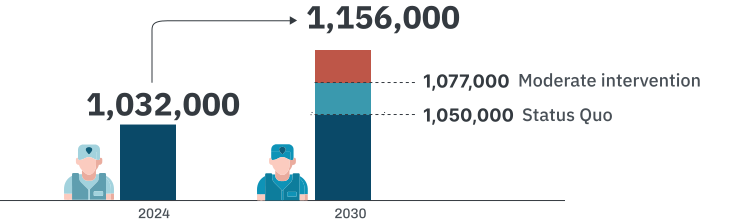
This study explores the future of obesity in the KSA—a growing public health challenge impacting millions. Without action, obesity rates will remain dangerously high, placing immense pressure on healthcare systems and reducing quality of life across communities.
By modeling three scenarios—status quo, moderate action, and accelerated intervention—we highlight the clear, data-backed benefits of investing in innovative weight loss interventions today.
 Prevalence of obesity (KSA)



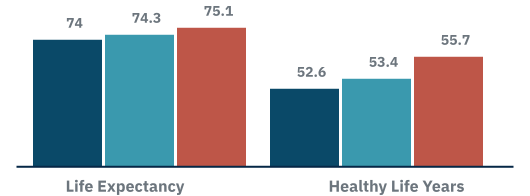
Weight loss helps individuals lead longer, healthier lives
Obesity rate by weight loss scenario
2030
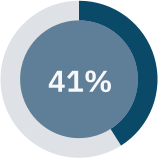

Status Quo
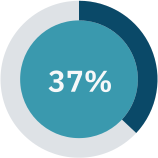

Moderate

Accelerated
3.3 million citizens transition out of obesity in an accelerated intervention scenario...
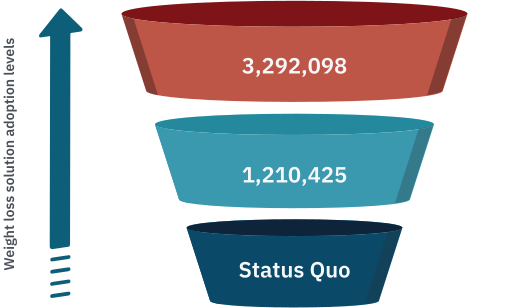
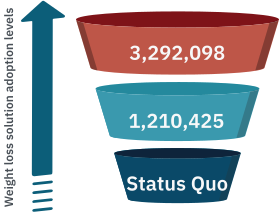
Adults transitioning out of obesity due to weight loss interventions by 2030:
3,292,098
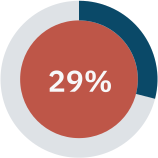
Accelerated intervention - Prevalence reduces to 29% from 39%
1,210,425
Moderate intervention - Prevalence reduces to 37% from 39%
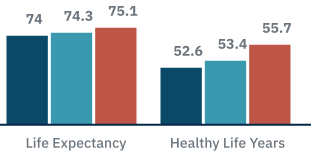
...this substantially reduces comorbidities and lengthens healthy life by up to 3.1 years...

+3.1 Years
of healthy life for each adult that
previously lived with obesity
Population-wide Life Expectancy and
Healthy Life years1 (2030)
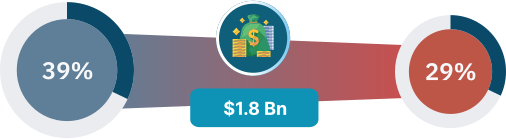
...and frees up to $1.8 Bn of healthcare resources to be reallocated
Cumulative healthcare savings2
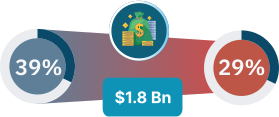
Up to $1.8 Bn
In the accelerated intervention scenario, where obesity prevalence drops from 39% to 29%
3.3 Mn citizens no longer suffer from obesity and realize their full economic potential
Obesity rate by weight loss scenario
2030
Status Quo
Moderate
Accelerated
A healthier population boosts GDP growth by an additional 0.9% points...
KSA GDP1 – 2024-2030 ($Bn)
Addition to GDP in 2031

+$49 Bn
Accelerated intervention
+$22 Bn
Moderate intervention
...due to healthier workers who gain up to 6 days of productive work² per year...

+3 to 7
Days of productive work per previously obese worker

+$156 to $366 /year
Average increase in annual income for the population by 2030
...a 8.3% yearly increase in consumption drives the economy forward and lifts VAT collections
Increase in Consumption3 ($ Bn)

+$49 Bn

+$110 Bn
Cumulative gain driven by increased productivity and higher income

Up to
+$6.9 Bn
Yearly increase in VAT receipts by 2030 in the accelerated intervention scenario as 3.3 Mn citizens experience weight loss
Healthy individuals contribute to a more cohesive and prosperous society
Obesity rate by weight loss scenario
2030
Status Quo
Moderate
Accelerated
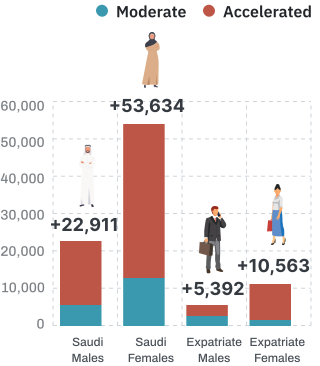
92,000+ residents are empowered to join the workforce
Addition to the workforce by 2030¹
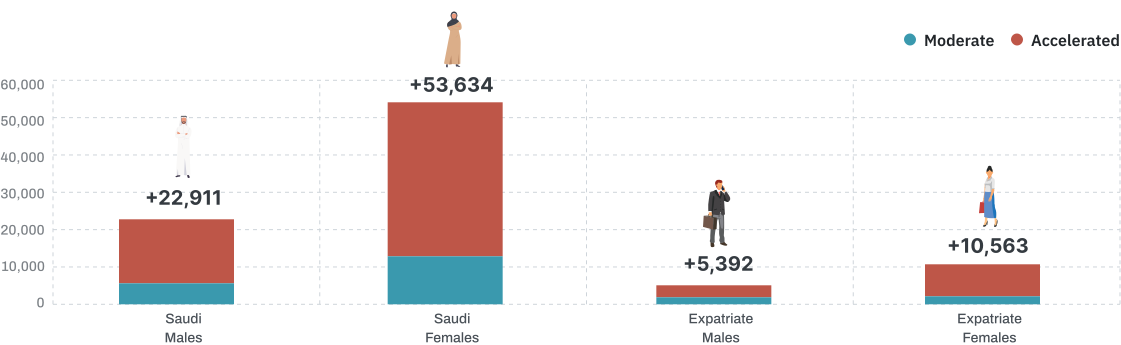
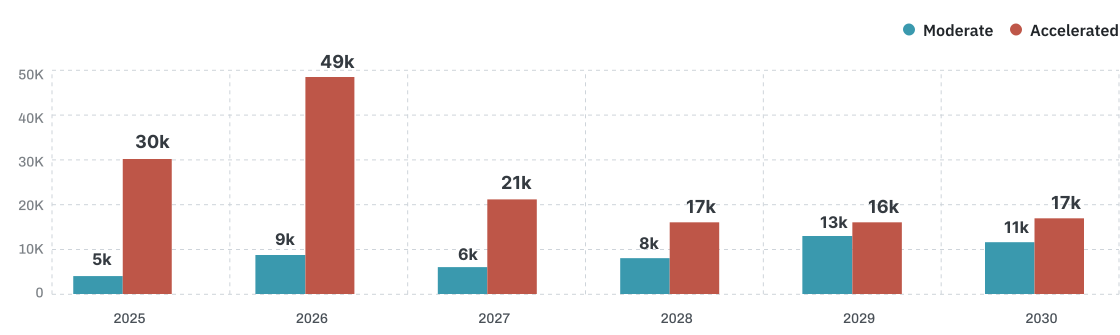
151,000 additional births, due to infertility dropping2
Additional births due to reduction in the infertile population thanks to weight loss (000s)
A fitter youth is empowered to take on and complete higher education
Obesity rate by weight loss scenario
2030
Status Quo
Moderate
Accelerated
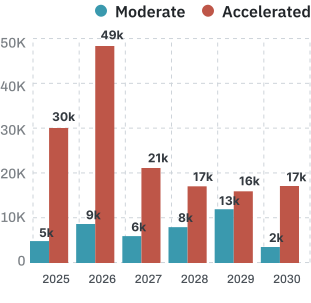
Healthy youth are more likely to undertake higher education¹...

1,810,000
Current bachelor's
enrollments
Improved cognitive and mental health drive higher education achievement
Additional students in bachelors' programs (in 2030)


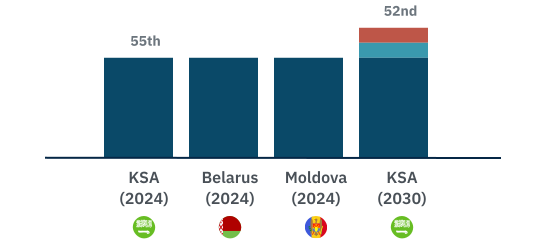
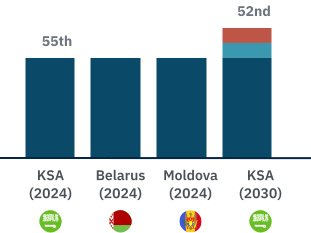
...and to complete their diploma, boosting the KSA’s Education Index ranking

+22,000
more students finish their bachelors program by 2030
Dropout Rate
in accelerated intervention –
As 504,000 youth are no longer obese
UNDP Human Development Index
(Education rankings) – (2024, 2030)
The police and military forces have an expanded pool of service-ready candidates
Obesity rate by weight loss scenario
2030
Status Quo
Moderate
Accelerated
79,000 Saudi males become physically and mentally fit due to weight loss...
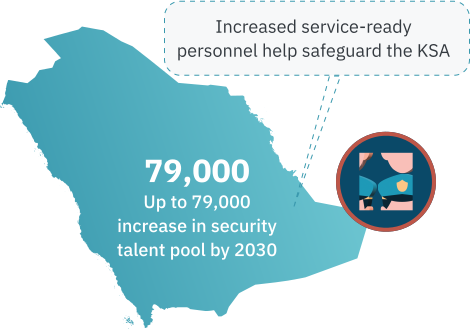
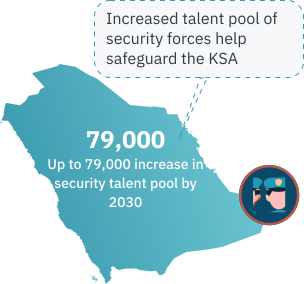


Increase in service-ready pool by 2030¹
...boosting the number of fit citizens by 7.2%
Incremental growth in talent pool of security personnel (000s) - KSA (2024, 2030)